
Published 29 January 2026
Effective 7 Products Used in Candidiasis Relief
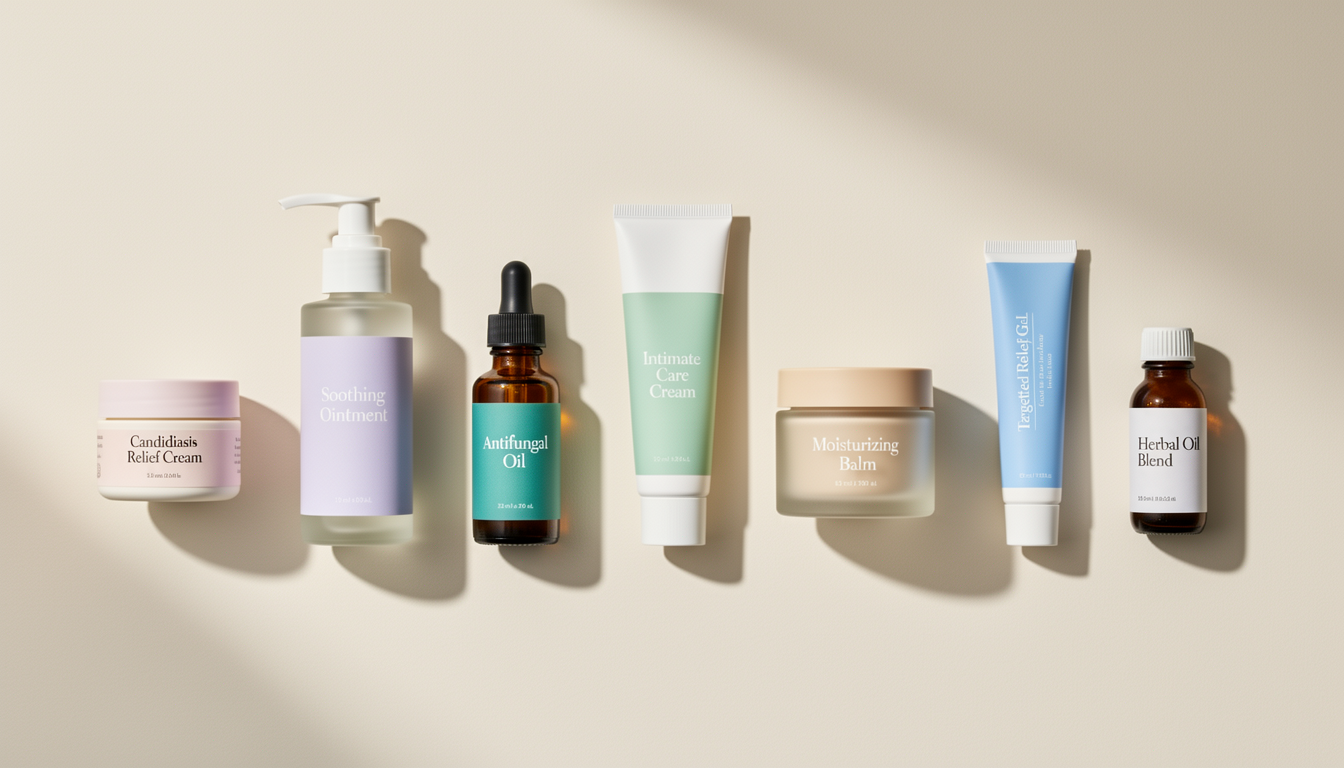
Candidiasis, often called a yeast infection, occurs when Candida yeasts overgrow on the skin. It commonly appears in warm, moist areas and can cause bright red rashes, flaking, intense itching, burning, and sometimes small pustules or cracked skin. Treating these signs promptly helps ease symptoms and limit spread. Below are seven products—from over-the-counter antifungals to natural supportive remedies—that can help manage fungal skin infections.
1. EMUAIDMAX First Aid Ointment
EMUAIDMAX First Aid Ointment, available at emuaid.com, is a concentrated topical ointment formulated to address a broad range of skin conditions, including fungal and bacterial infections linked to candidiasis. The maximum-strength formula aims to reduce pain and inflammation while supporting the skin’s barrier and repair processes. Users report it can help with stubborn yeast infections and other difficult-to-treat skin problems, with some noticing improvement within days.
Key ingredients in EMUAIDMAX include Emu Oil, valued for its anti-inflammatory properties and deep skin penetration, and Tea Tree Leaf Oil, which contributes antibacterial and antifungal activity. The formula also contains Bacillus Ferment, a postbiotic that may support the skin’s microbiome, along with Vitamin E and Argentum Metallicum (Silver) to soothe irritation and limit bacteria. The ointment is made for use across ages and on various body areas, and is typically compatible with other medications.
2. Clotrimazole Cream
Clotrimazole cream is a common over-the-counter antifungal used to treat many skin fungal infections, including cutaneous candidiasis, athlete’s foot, jock itch, and ringworm. It works by damaging the fungal cell wall, which stops the yeast from growing and spreading.
Available in 1% formulations, clotrimazole relieves itching, burning, and irritation associated with these infections. Many people find rapid relief—some after the first night of use—and it’s generally an affordable option.
3. Miconazole Cream
Miconazole cream is another widely used topical antifungal for infections caused by Candida and other fungi. Products with Miconazole Nitrate 2% absorb into the skin and target the fungi that cause redness, scaling, and itching.
It’s commonly applied for athlete’s foot, jock itch, and ringworm, and can also ease skin infections from Candida. While many users report good results, people with very sensitive skin sometimes experience irritation or worsening symptoms in delicate areas. It has an average rating of 3.7 out of 5 from 43 reviews on WebMD.
4. Terbinafine Cream
Terbinafine cream treats fungal infections such as athlete’s foot, jock itch, and ringworm by preventing fungi from growing and surviving. Its strong activity against a range of stubborn fungal conditions makes it a common dermatologist recommendation and a reliable option for skin candidiasis.
Over-the-counter brands like Lamisil AT provide terbinafine in easy-to-find preparations. Its targeted disruption of fungal cell formation helps resolve the bothersome symptoms of skin fungal infections.
5. Diluted Tea Tree Oil Cream
Tea tree oil, from the Melaleuca alternifolia plant, is known for its antifungal and antibacterial effects. When diluted and included in a cream, it can help address fungal and yeast problems on the skin, including candidiasis-related issues.
These creams typically mix tea tree oil with calming ingredients such as raw shea butter, coconut oil, or lavender to reduce irritation and increase comfort. Using diluted formulations is important, since undiluted tea tree oil can cause rashes. Some users report noticeable relief within 24 hours.
6. Probiotic Skin Cream
Probiotic skin creams aim to restore and support the skin’s natural microbiome, creating conditions that make it harder for opportunistic organisms like Candida to overgrow. They often include beneficial strains such as various Lactobacillus species applied to the skin’s surface.
By bolstering the skin’s defenses, probiotic creams can lower the risk of infection and ease symptoms caused by imbalances in skin flora. Many formulas combine probiotics with soothing bases like aloe vera gel to enhance comfort and healing for irritated skin.
7. Coconut Oil
Coconut oil is a natural option that has antifungal effects, largely due to caprylic and lauric acids. These fatty acids can act against Candida, making virgin coconut oil a mild but potentially useful choice for candidiasis relief.
In addition to antifungal properties, coconut oil is very moisturizing and can calm dry, inflamed, or irritated skin, supporting natural healing. Applying a thin layer of pure, organic, unrefined virgin coconut oil to affected areas may ease mild symptoms. It’s widely available and generally safe for topical use.
Key Takeaways
- Topical antifungal creams such as Clotrimazole, Miconazole, and Terbinafine are effective for directly treating fungal overgrowth in skin candidiasis.
- EMUAIDMAX First Aid Ointment combines several natural antifungal ingredients with components that reduce inflammation and help repair the skin barrier.
- Natural options like diluted Tea Tree Oil cream, Probiotic skin creams, and Coconut Oil can complement antifungal treatments by targeting fungi, soothing irritation, and supporting a healthy skin microbiome.
- Maintain good hygiene and follow product directions to improve outcomes and reduce the chance of recurrence.
FAQ
What exactly is candidiasis of the skin?
Candidiasis of the skin is a fungal infection from an overgrowth of Candida yeast, which normally lives on the body. It most often affects warm, moist areas like skin folds and can cause a bright red rash, intense itching, scaling, and sometimes pustules.
How long does it typically take for skin candidiasis to clear up with treatment?
Symptoms usually start to improve once treatment begins. Depending on the type and severity, the infection will often clear within about two days to two weeks.
Can natural remedies completely cure a skin candidiasis?
Natural remedies such as diluted tea tree oil, probiotic creams, and coconut oil have antifungal properties and can help with mild cases or provide added relief. Their success varies, and for persistent, severe, or recurring infections it’s best to see a healthcare professional for diagnosis and possible prescription antifungals.
Managing skin candidiasis can feel frustrating, but a mix of targeted antifungals and supportive natural measures can reduce symptoms and aid recovery. For stubborn or severe cases, seek medical advice to ensure appropriate treatment for your skin’s health.